Skip to content
Resources / Wundercat / Picky cat tips
Field guide · 04 · For picky eaters

How to help a picky cat try fresh food.

Most cats are cautious with new food. It is part of how they are wired. Here are 10 vet-tested tips, plus what to expect during the transition.

8 min read 10 tips, 1 plan Vet-reviewed
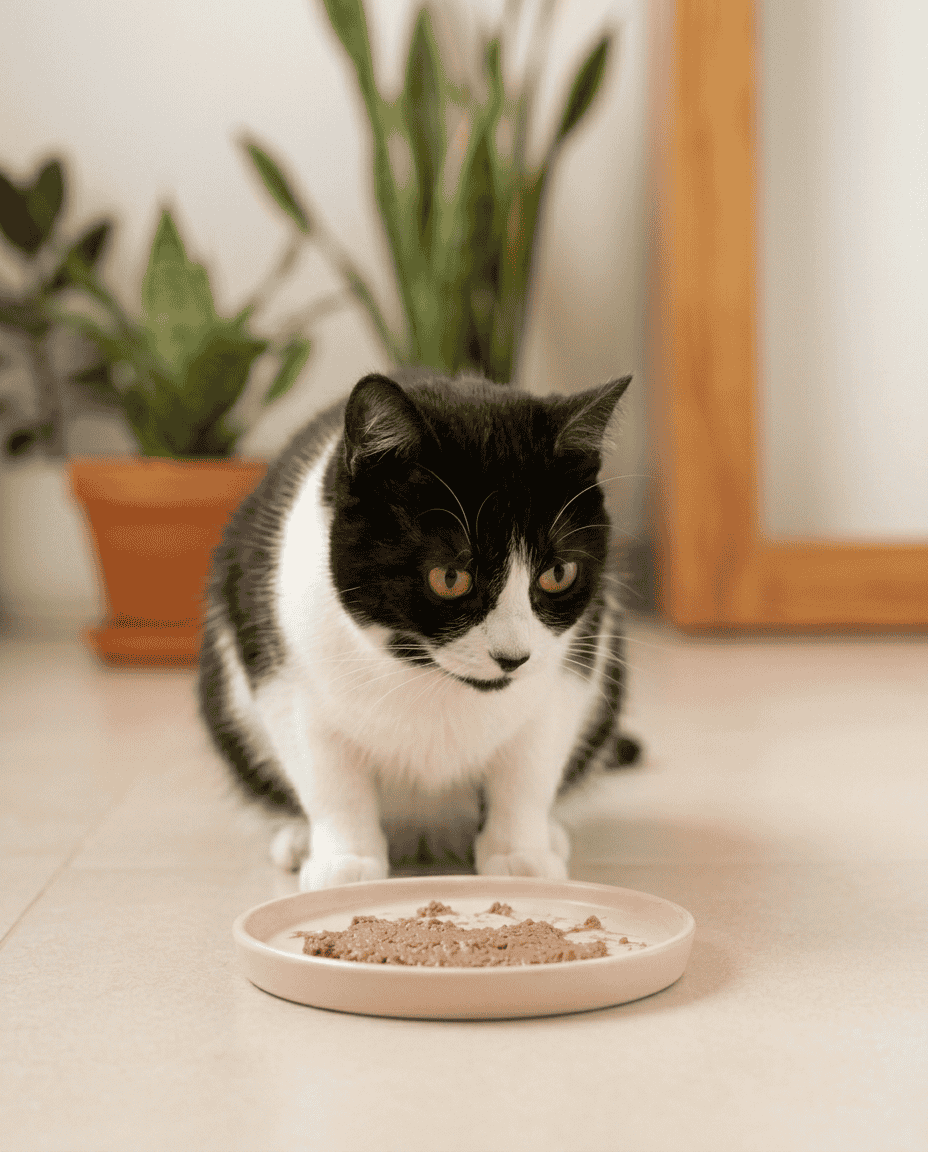
Cat sniffing fresh food in a shallow ceramic bowl
The first sniff is progress.
Intro · A short read

It's not stubbornness. It's biology.

In the wild, an unfamiliar smell or texture can be a survival signal, so cats inherited a healthy scepticism toward anything that doesn't match what they already know.

This is why some cats walk away from a new bowl the first time, the second time, and sometimes the tenth. It is not stubbornness. It is biology.

The good news: almost every cat can be transitioned to fresh food. Some take a few days. Others take a few weeks. Both are normal.

The 10 tips below are the ones that work most often, drawn from how cats actually behave around food and shaped by feedback from the cat parents in our community. If you are about to introduce Wundercat or any new fresh food, this is your guide.

Vet-reviewed 2–4 weeks typical transition Updated April 2026
01 · Diagnose the refusal

Refusal looks different from cat to cat

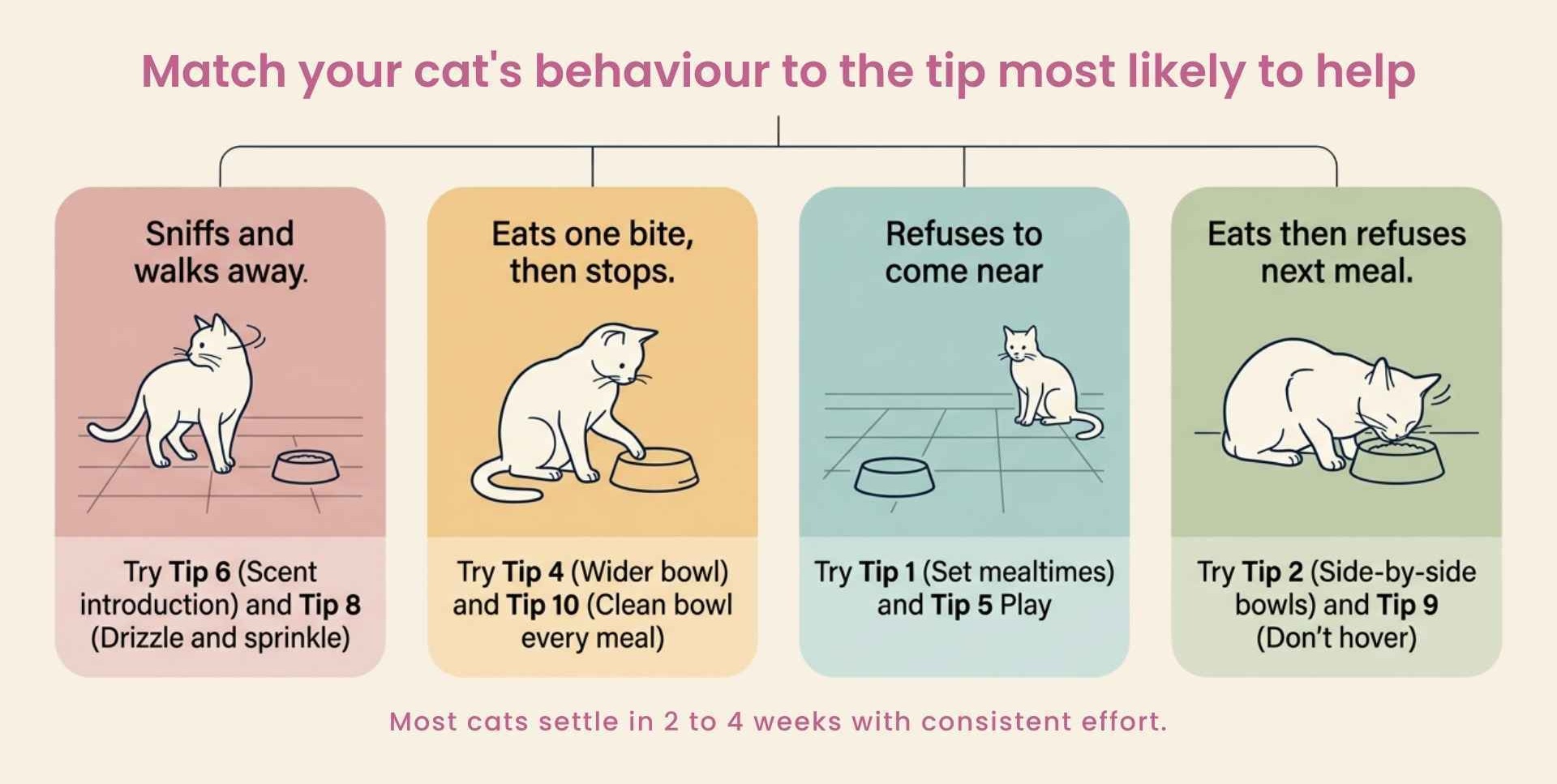
Match the behaviour you're seeing at the bowl to the tip most likely to help. You can always come back here.

Match your cat's behaviour to the tip most likely to help
02 · Ten things to try

Ten things that actually work.

Drawn from how cats actually behave around food, and shaped by the cat parents in our community.

01

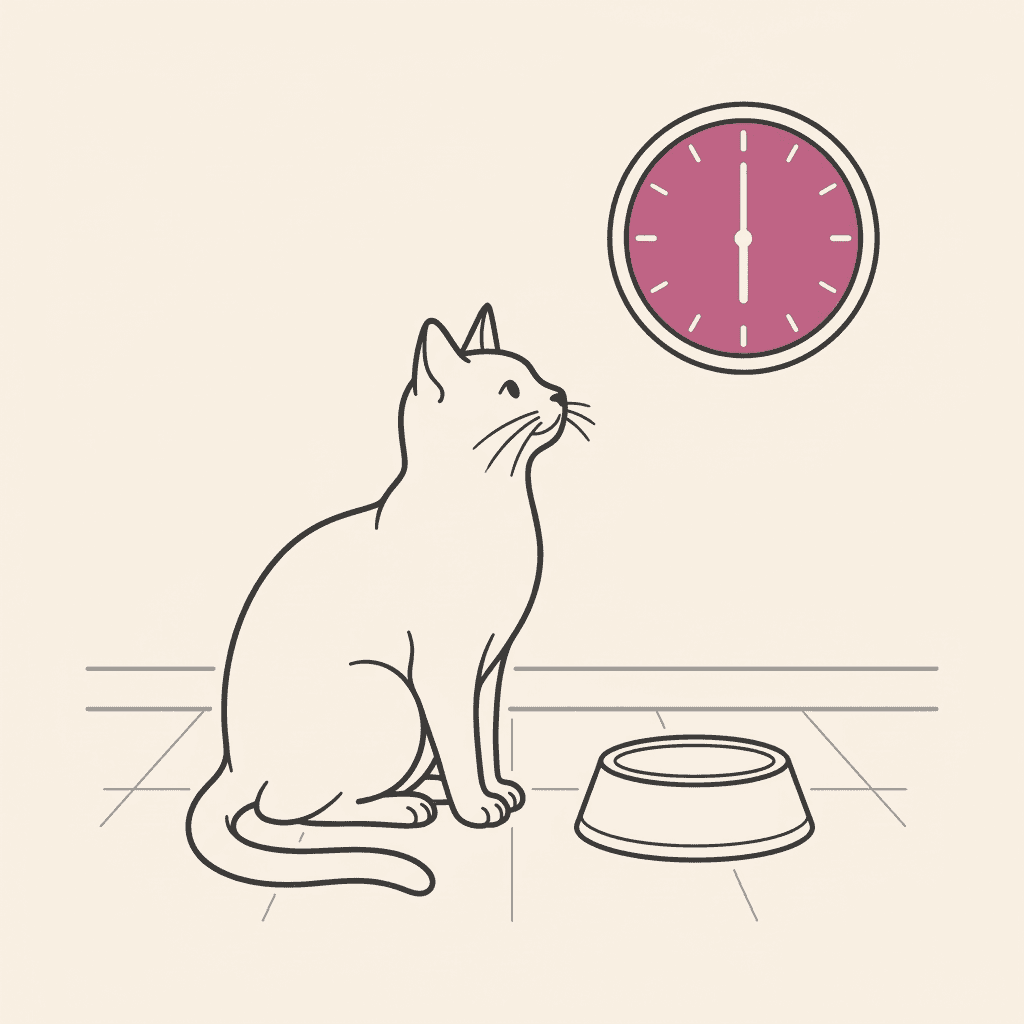
Stop the kibble buffet. Set mealtimes.

This is the foundation. Cats with constant access to kibble have very little motivation to try something new. A bowl that is always full removes the natural hunt-and-eat rhythm and turns food into background noise.

Set two mealtimes. Offer the meal for 20 to 30 minutes, then take it away. Within a few days, your cat's appetite will start to align with mealtimes, and curiosity about new food rises sharply.

  Skip this and most other tips work less well.
Cat looking up at a clock above an empty bowl
02

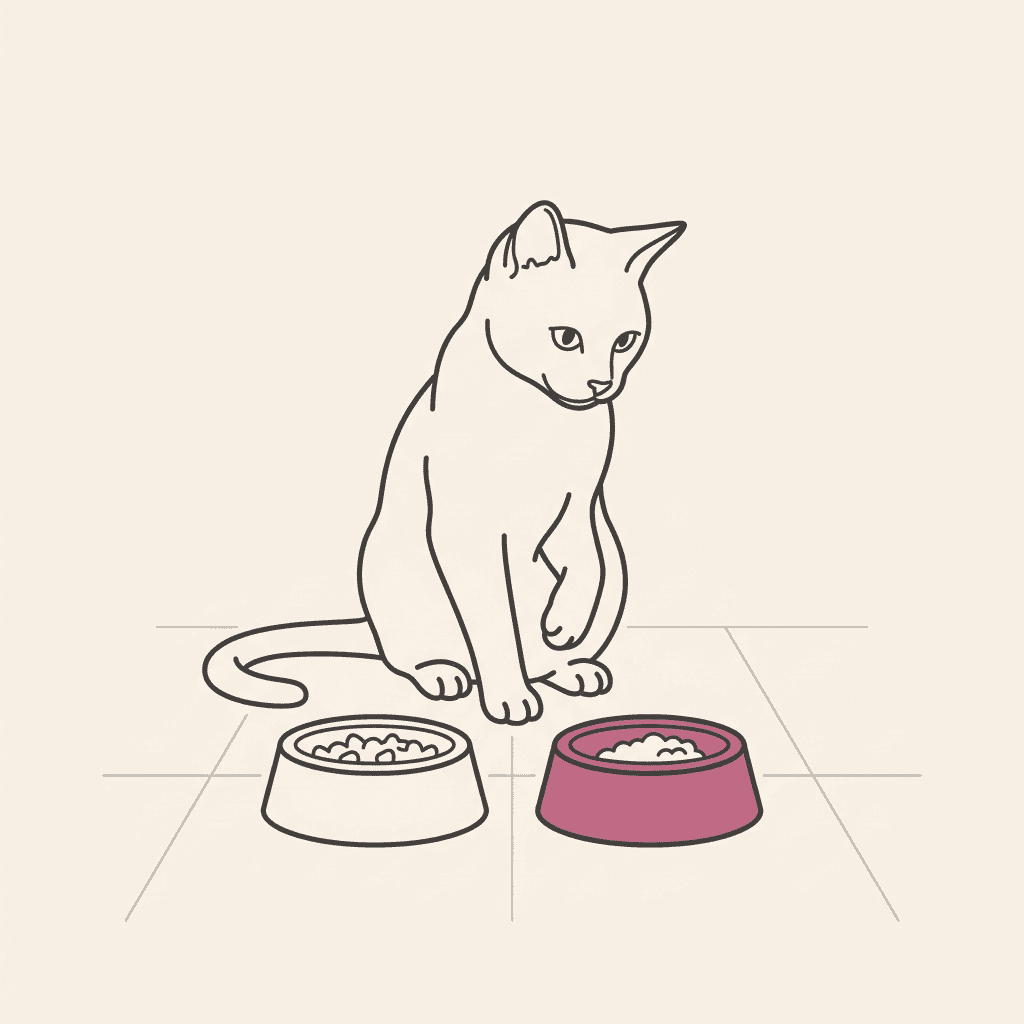
Use side-by-side bowls.

Some cats refuse food the moment it is mixed with something new. They notice immediately and walk away. The fix is to keep the new food in a separate bowl, placed right next to the usual one.

Most cats will sniff the new bowl over several meals before tasting it. That is progress, even if it doesn't look like much yet.

  Sniffs count as progress.
Cat investigating two bowls placed side by side
03

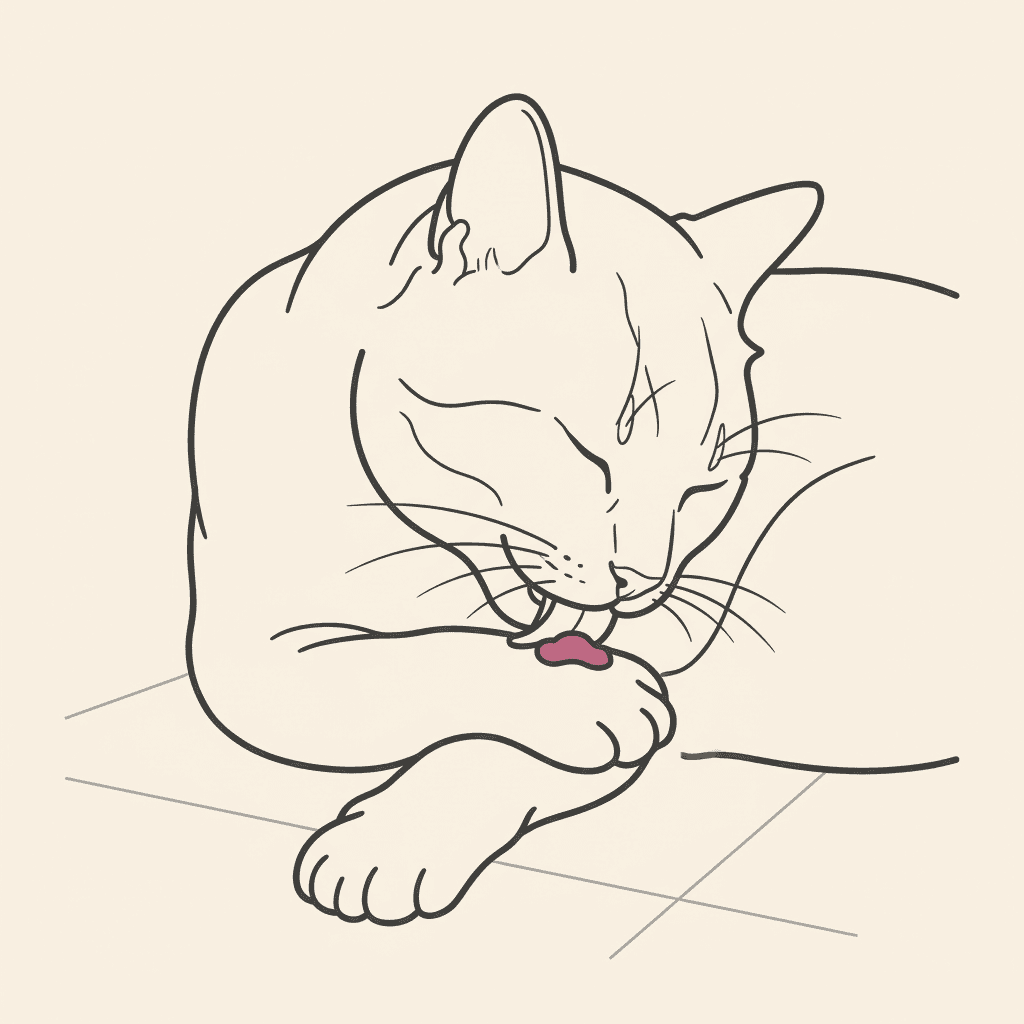
The paw trick.

Place a small dab of the new food on the top of the paw or near the mouth. Cats are obsessive groomers. The instinct to clean takes over, and as they lick it off, they taste and recognise it as food.

This works particularly well with hesitant tasters because it bypasses the visual and behavioural caution around the bowl.

  Bypasses the bowl entirely.
Cat licking a small dab of food from its paw
04

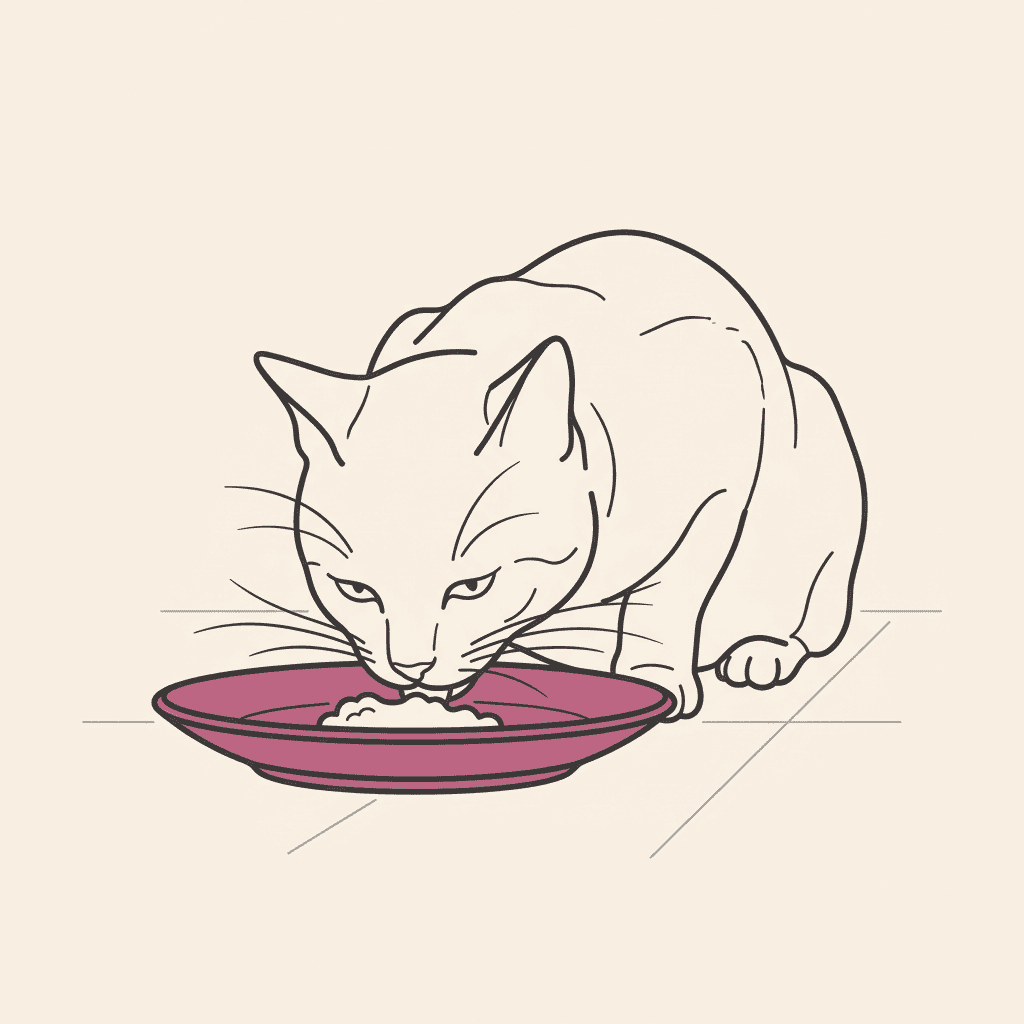
Fix whisker fatigue with a wider bowl.

Cats have highly sensitive whiskers. Deep, narrow bowls can press against them during eating, which is uncomfortable and sometimes painful. Many cats associate that discomfort with the food itself, then refuse it the next time.

Switch to a wide, shallow ceramic plate or saucer. The change is subtle, but for a whisker-fatigued cat, it can be the difference between refusing and eating.

  A flat plate is the simplest fix.
Cat eating comfortably from a wide shallow plate
05

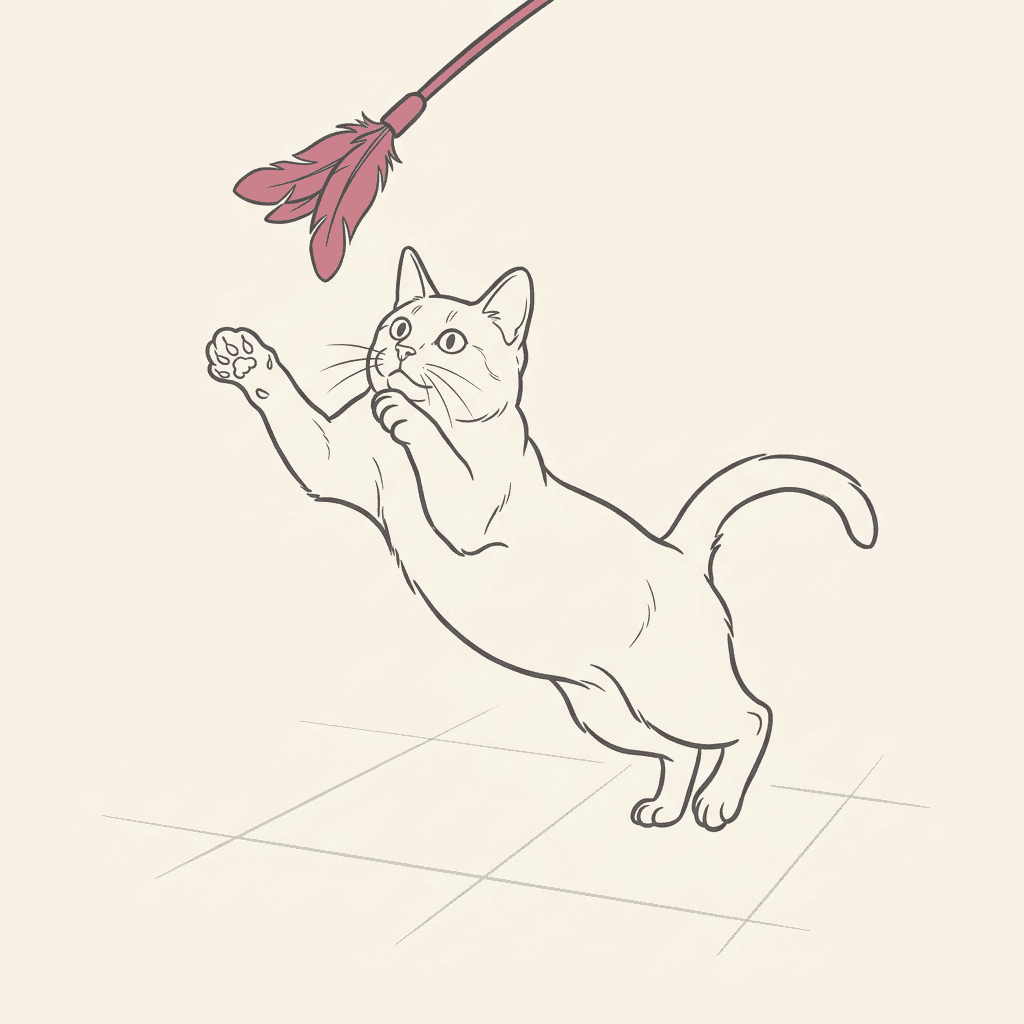
Play, then feed.

Ten to fifteen minutes of active play before mealtime activates the natural hunt-eat-groom-sleep cycle that cats are built for. After play, hunger and food interest are both higher, and curiosity about a new bowl tends to win out over caution.

Finish the play session with a “catch” rather than ending mid-game; this tells the brain the hunt was successful, and food becomes the natural next step.

  Always end play with a catch.
Cat leaping at a feather wand toy
06

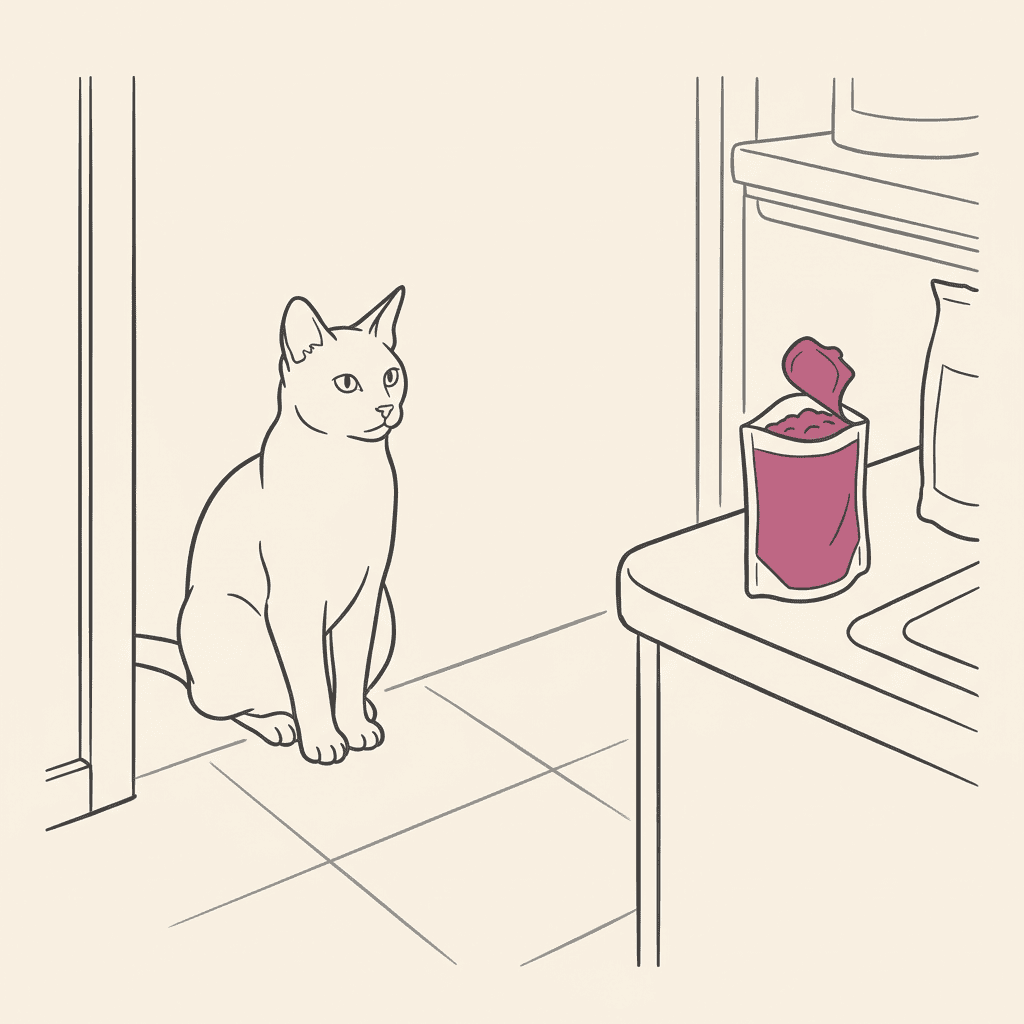
Scent-only introduction.

Before serving, open the pouch nearby and let the smell drift into the room for a minute or two. This builds familiarity with the scent before there is any pressure to eat. Cats process new food through smell first, taste second.

Works best in combination with mealtimes (Tip 1) and a wider bowl (Tip 4).

  Smell first. Always.
Cat watching from across the room as a pouch sits open on the counter
07

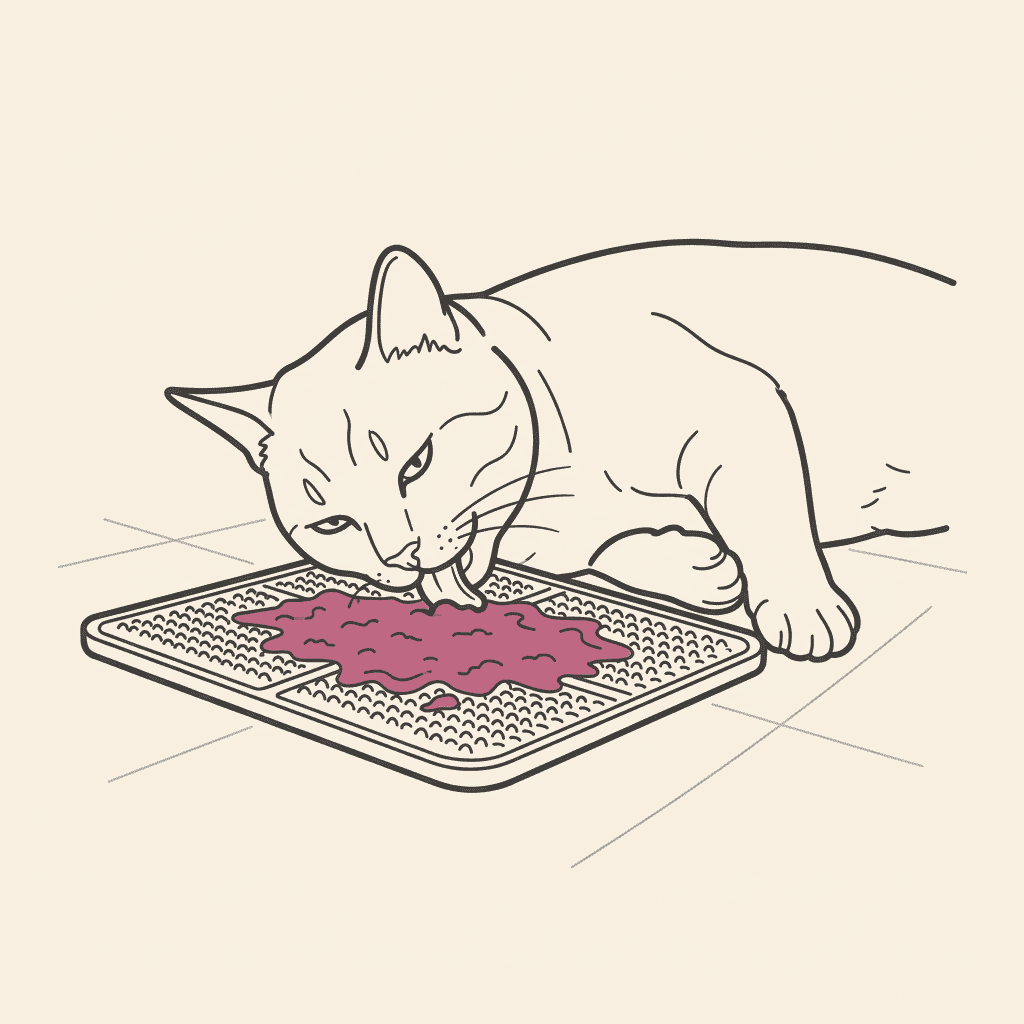
Lick mats and puzzle feeders.

Lick mats turn a meal into a foraging activity. The slow process of working food off a textured surface engages curiosity and reduces the all-or-nothing decision of “do I eat from this bowl.”

Many cats who refuse food in a bowl will happily lick it from a mat. Puzzle feeders work the same way for kibble; for fresh, the lick mat is the more natural fit.

  Lick mats > bowls for hesitant tasters.
Cat licking food from a textured silicone mat
08

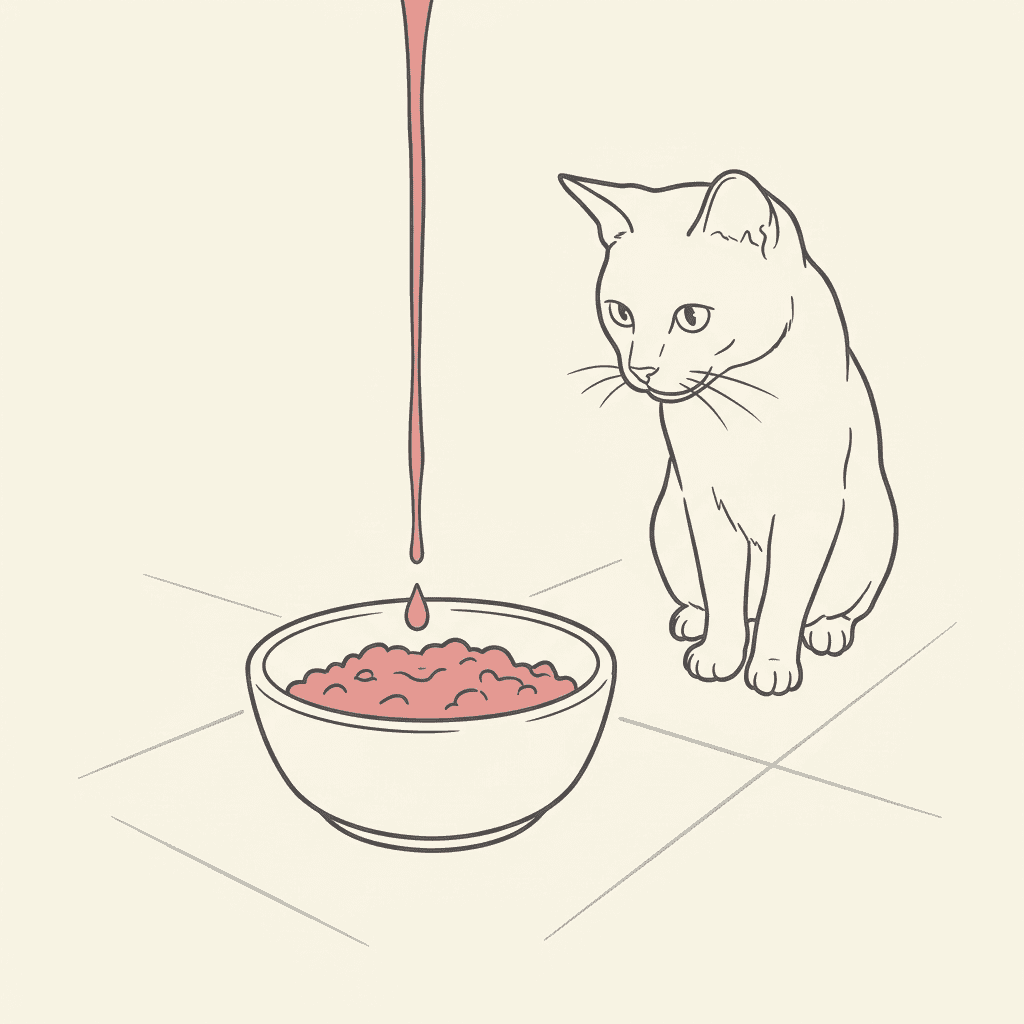
Drizzle and sprinkle.

A small amount of tuna water, low-sodium bone broth, or freeze-dried meat sprinkled on top makes new food more aromatic and more appealing. The point is not to mask the food but to amplify its smell, which is the single biggest driver of whether a cat will try something.

Use a small amount. The goal is to enhance the meal, not to train your cat to refuse the underlying food.

  Amplify, don't mask.
A drizzle of broth pours onto a bowl while a cat watches
09

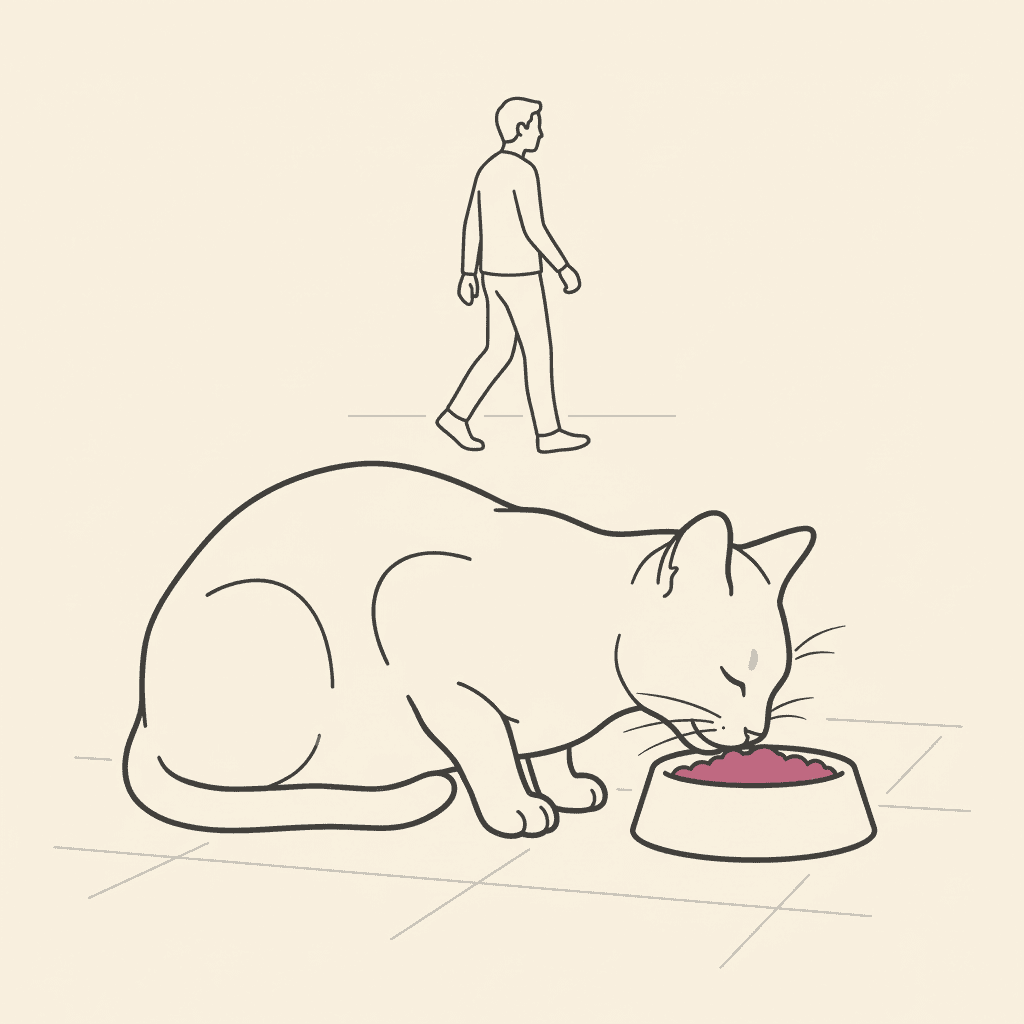
Don't hover.

Place the food down and step away. Cats can read attention as a potential threat, especially around an unfamiliar meal. If you are watching closely, your cat may decide there is something to be wary of.

Walk out of the room. Come back in 20 to 30 minutes. Most cats will eat, or at least taste, when they feel unwatched.

  Privacy is the simplest gift.
Cat eating peacefully while a person walks out of frame
10

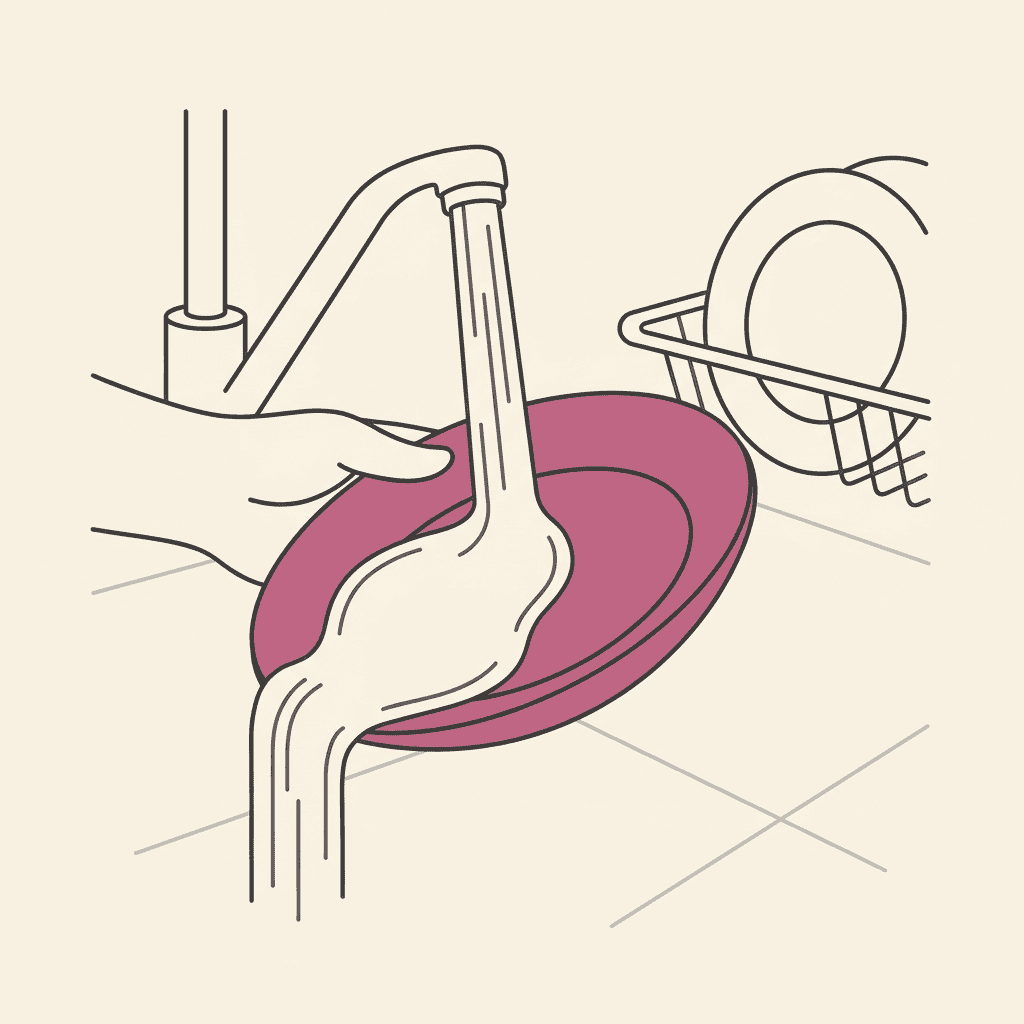
Clean bowl, every meal.

Old food residue smells off, even if the bowl looks clean. For a cat already cautious about new food, a faint stale smell can tip the decision toward refusal. Wash the bowl between meals with hot water and a fragrance-free detergent.

Stick to ceramic or glass. Plastic holds odours and can cause chin acne in some cats. Stainless steel is fine but cools quickly, which some cats prefer and others don't.

  Ceramic or glass. Never plastic.
Hands rinsing a ceramic plate under running water
03 · What to expect

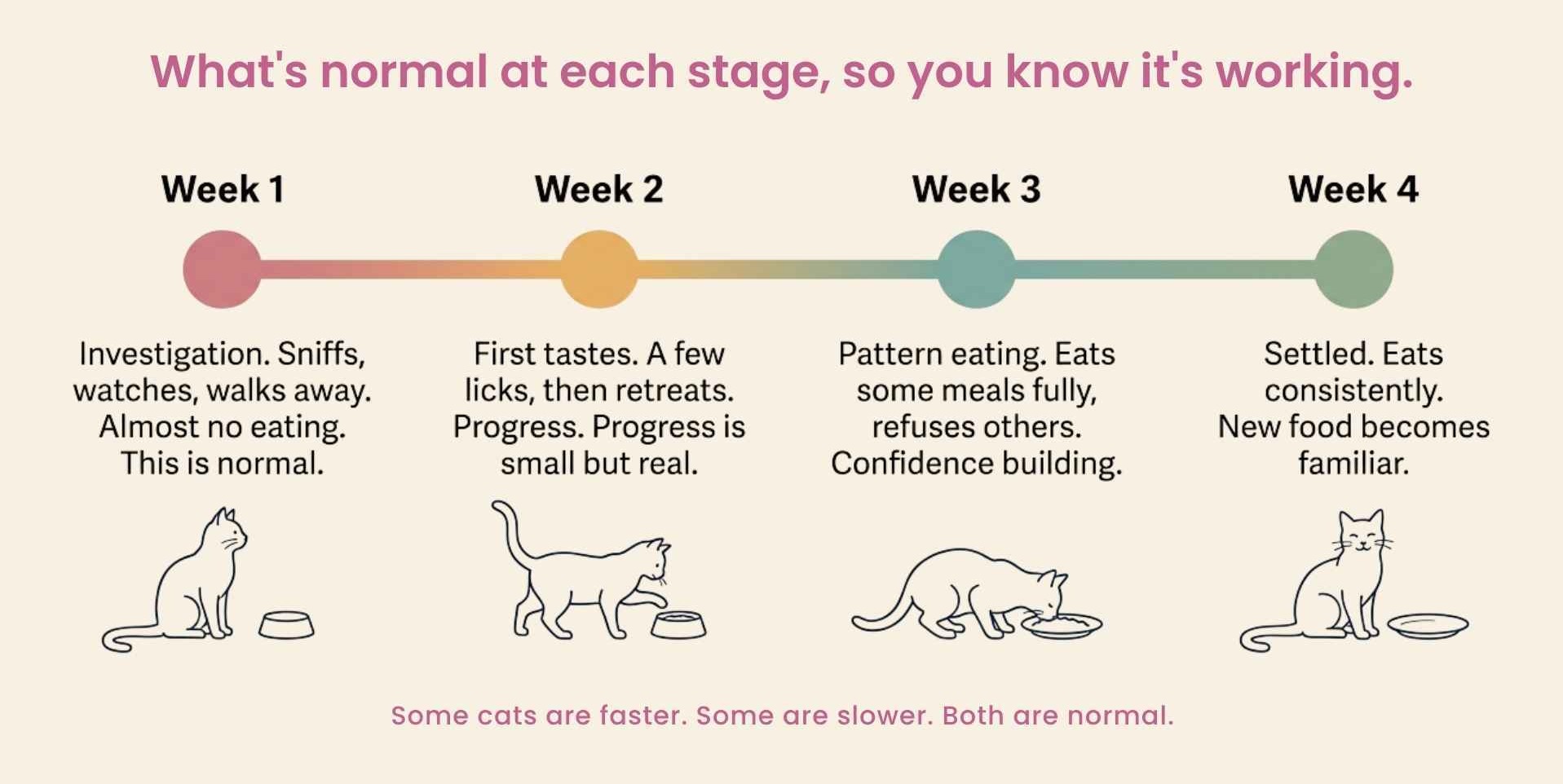
A typical transition takes two to four weeks.

Progress is rarely linear. A cat who tasted on day three may refuse on day four. A cat who walked away every day may eat the entire bowl on day eight. Both are normal.

The most useful thing you can do is keep mealtimes consistent, keep the new food on offer, and resist the urge to give up after a few refusals.

If after four weeks of consistent effort your cat still refuses, the issue may be the specific food rather than the concept of fresh. A different protein or a slightly different texture is often all it takes.

A typical transition takes 2 to 4 weeks. What's normal at each stage.
04 · Why fresh works

Cats are obligate carnivores. Their bodies are built around prey.

High protein, high moisture, high fat, very low carbohydrate. Most kibble inverts this. Wundercat is gently cooked, fresh, and around 74 percent moisture, similar to natural prey.

74%
Moisture in Wundercat is close to natural prey. Kibble sits around 6 to 10 percent.
30–50%
Carbohydrates in most kibble range between 30-50%. Cats are built to eat almost none of this.
100%
Every Wundercat recipe is AAFCO-complete and balanced for all life stages.
Easiest first step

Wundercat Taster Pack

Three recipes, twelve 80g pouches, free UAE delivery. The simplest way to find out if your cat is a duck person, a beef person, or a chicken person.

For sensitive cats

Wundercat Care Pack

For cats with health considerations, we recommend a FREE 30 minute consultation with our in-house veterinarian, Dr Georges. For cats with specific dietary needs, consider the Care Pack (24x80g pouches) with recipes matched to your cat's lifestyle and health needs.

05 · Common questions

Frequently asked.

Can't find what you're after? Chat with us on WhatsApp.

Most cats settle into a new food within two to four weeks of consistent introduction. Some take a few days; others take longer. Cats with a long history of kibble-only feeding tend to take the longest, simply because there is more habit to unwind.
This is extremely common and not a failure. Cats often investigate, taste, and then retreat for a day or two while they process the experience. Keep mealtimes consistent and keep offering. Most cats return to the new food within a few days.
Yes, although the side-by-side bowl approach (Tip 2) often works better. Mixing can sometimes lead to a cat refusing both bowls. If your cat is comfortable with mixed food, gradually shift the ratio over 7 to 14 days until the new food is the full meal.
The tips are the same, but the timeline is often longer. Senior cats are more set in their preferences and may need three to six weeks rather than two to four. Whisker fatigue and clean bowls (Tips 4 and 10) matter even more for older cats, who are more sensitive to small discomforts.
A small percentage of cats will refuse fresh food despite a thorough transition. If you have given it four weeks of consistent effort with multiple tips and your cat still refuses, it is worth talking to your vet to rule out underlying health issues, and trying a different protein or texture before assuming fresh food is not for your cat. Our team is also happy to help — message us on WhatsApp or email care@mywunderdog.com.
06 · Stay in the loop

Your cat's transition might be the story that helps another cat parent.

Film your cat trying Wundercat using one of these tips, or something unique to them, and share it with us. Each month we feature the best community tips and send a Care Pack discount to one cat parent who shares.

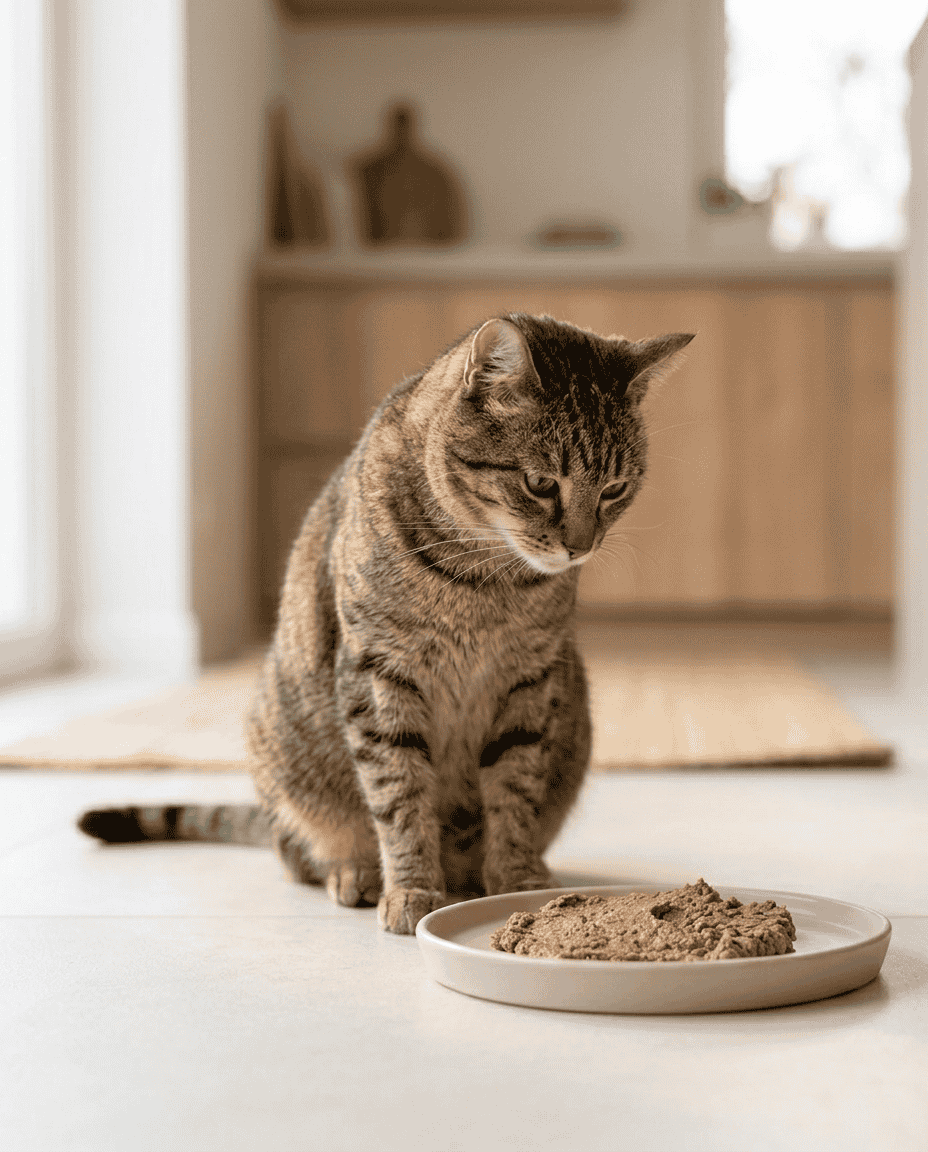
Tabby cat investigating fresh food
30% offcare pack